The Hidden Dangers of Plastic Food Packaging: Why Your Health Demands a Safer Alternative
Did you know that the plastic container holding your takeout meal could be silently compromising your health? As we become more conscious about sustainability and wellness, understanding the risks of plastic food packaging has never been more critical.
The Alarming Truth About Plastic and Heat
When plastic meets heat, a dangerous chemical reaction occurs. Plastic food packaging can leach harmful chemicals directly into your meals, exposing you and your family to serious health risks including:
- Obesity and metabolic disorders
- Cancer and cellular damage
- Cardiovascular disease
- Hormonal disruptions
- Developmental issues in children
The convenience of plastic packaging comes at a steep price – one that affects both our bodies and our planet.
Understanding the Single-Use Plastic Crisis
Here’s a startling statistic: single-use plastics account for 40% of global plastic demand. Every day, millions of disposable items – coffee cups, lids, straws, food containers, and water bottles – are used once and discarded.
Where Does It All Go?
The lifecycle of single-use plastic is tragically short:
- Used for minutes or hours
- Thrown away immediately
- Ends up in landfills or as environmental litter
- Takes hundreds of years to decompose
- Continues releasing toxins throughout its existence
There’s no pathway for reuse, meaning each item represents permanent environmental damage and potential health hazards.
Why Food Companies Continue Using Plastic Packaging
Despite mounting evidence of harm, many restaurants and food companies still rely heavily on plastic containers. The reason? Economics over ethics.
Plastic remains the dominant packaging material because of:
- Low production costs
- Durability during transport
- Widespread availability
- Economies of scale in bulk production
However, this short-term financial thinking ignores the long-term costs to human health and environmental sustainability. Forward-thinking brands are recognizing that customer health and environmental responsibility are worth the investment.
Making the Switch: Healthier Food Packaging Solutions
The good news? You have the power to create change through your purchasing decisions. Here are three fundamental principles for reducing plastic exposure:
1. Reduce – The Most Important Step
Minimize your consumption of single-use items. Choose restaurants and brands that prioritize sustainable packaging.
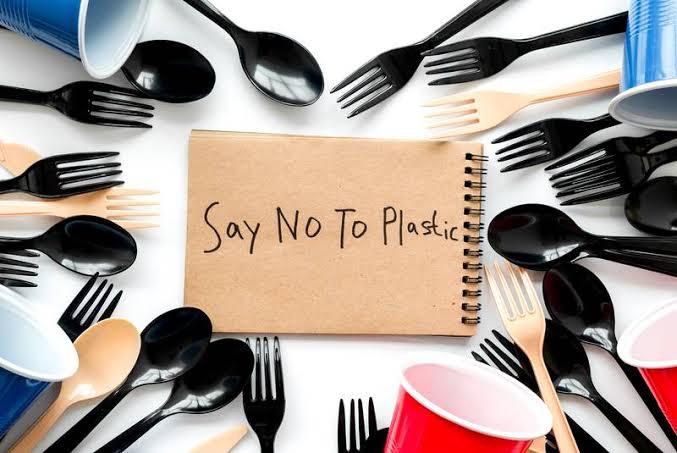
2. Refuse – Say No to Plastic
Decline plastic utensils, straws, and unnecessary packaging. Your refusal sends a powerful message to businesses.
3. Reuse – Embrace Sustainable Alternatives
Invest in reusable containers, bring your own bags, and support establishments using eco-friendly packaging.
The Superior Alternative: Plant-Based Compostable Packaging
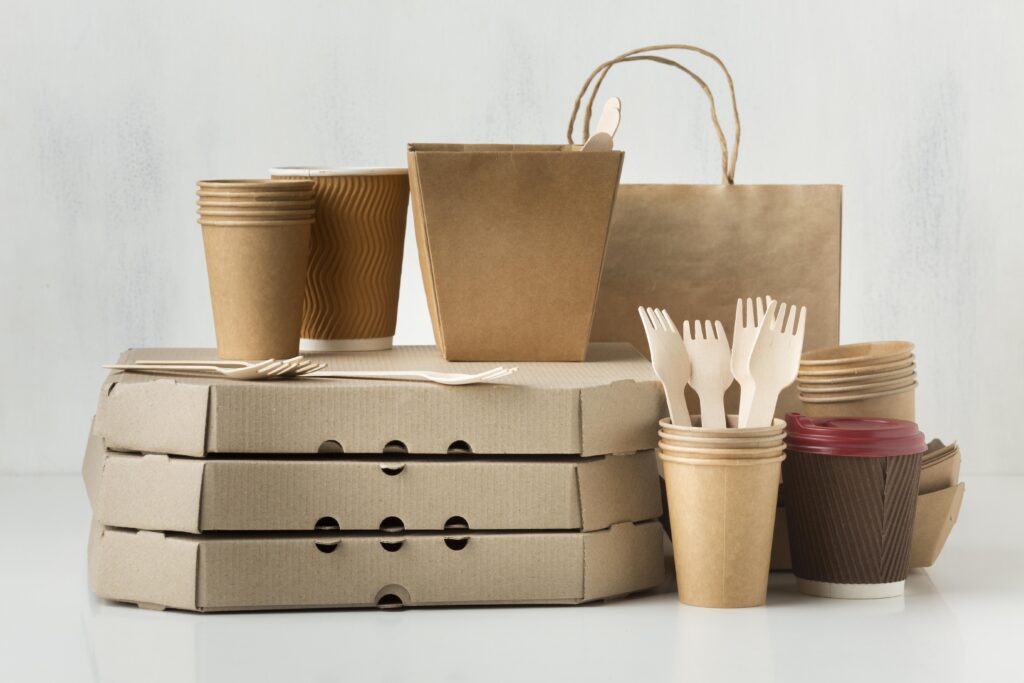
The future of food packaging is here, and it’s made from natural plant fibers rather than petroleum-based plastics.
Why Bagasse and Bamboo Fiber Packaging Is Revolutionary
Sugarcane Bagasse and natural bamboo fibers offer everything plastic promises – with none of the dangers:
✓ 100% Natural – Made from renewable plant resources
✓ Fully Compostable – Breaks down in 60-90 days
✓ Oil and Water Resistant – Functions as well as plastic
✓ Heat Tolerant – Safe for hot foods and microwave use
✓ Chemical-Free – No toxins leaching into your food
✓ Backyard Compostable – Returns to soil naturally
Trusted by Industry Leaders
Leading brands worldwide have recognized the superiority of eco-friendly packaging solutions. Major chains including Burger King, Starbucks, McDonald’s, and prestigious hotels like Marriott and Hilton have made the switch to sustainable packaging options.
This isn’t just about following trends – it’s about corporate responsibility and customer safety.
What You Should Look For in Safe Food Packaging
When choosing restaurants or purchasing packaged foods, prioritize products that are:
- Certified Compostable – Look for official certifications
- Made from Natural Fibers – Bagasse, bamboo, palm leaf, or wheat straw
- Oil and Leak-Proof – Without plastic or chemical coatings
- Microwave Safe – For convenient reheating without toxin release
- Transparent Sourcing – Companies that clearly communicate their materials
The Bottom Line: Your Health Is Worth the Investment
The evidence is clear: plastic food packaging poses significant risks to human health and environmental sustainability. While it may cost slightly more initially, eco-friendly alternatives offer priceless benefits:
- Protection from harmful chemical exposure
- Peace of mind about food safety
- Contribution to environmental preservation
- Support for sustainable business practices
- A healthier future for the next generation
Take Action Today
Creating a cleaner, greener, and safer environment starts with individual choices. By refusing single-use plastics and demanding sustainable alternatives, you’re voting with your wallet for a better future.
Remember: Every meal in a plastic container is a missed opportunity for better health. Choose wisely, choose sustainably, and choose packaging that puts your wellbeing first.