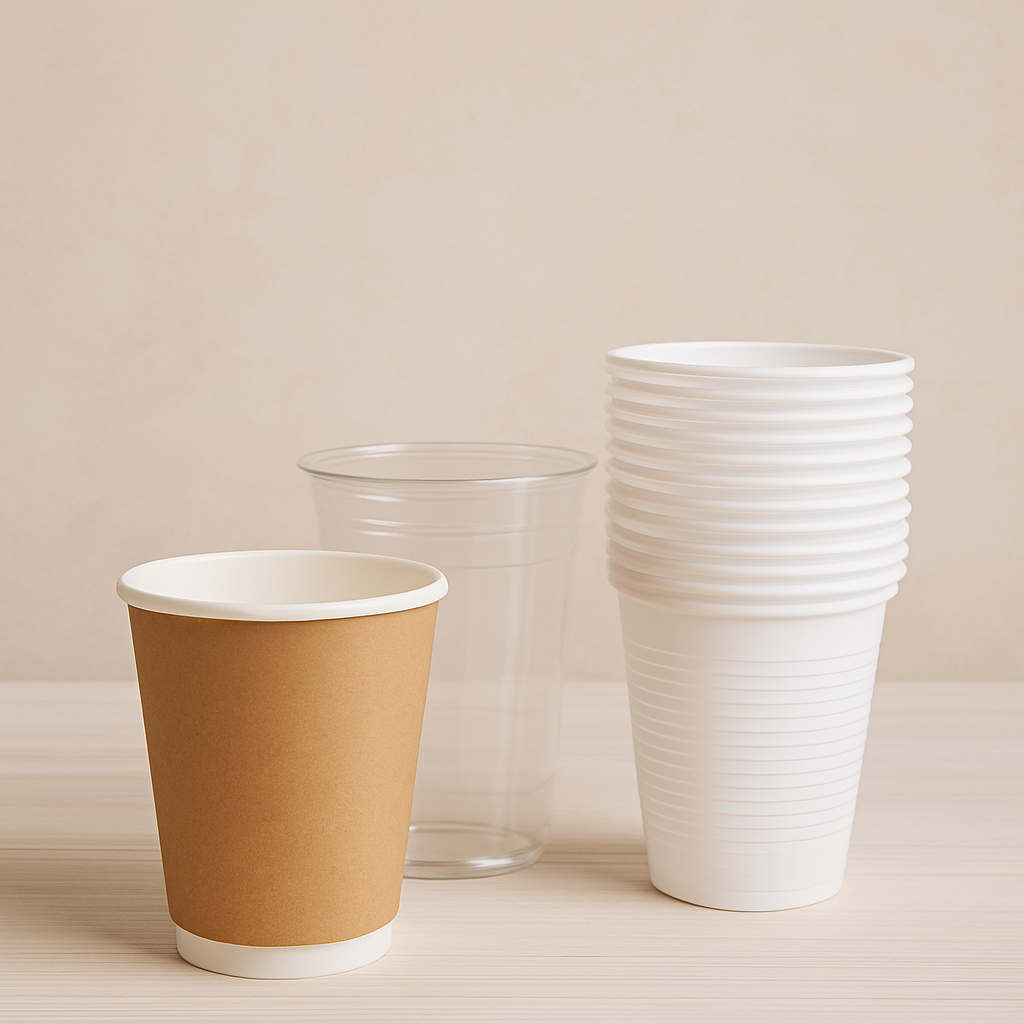
Walk into any café, restaurant, or even your own pantry, and you’ll see them stacked neatly: paper cups, PET cups, and plastic cups. They look similar, they all hold your coffee or juice just fine, but here’s the real question: are paper cups actually safer than PET or plastic cups? And how do you pick the right one when there are so many options in the market?
The confusion: paper vs PET vs plastic
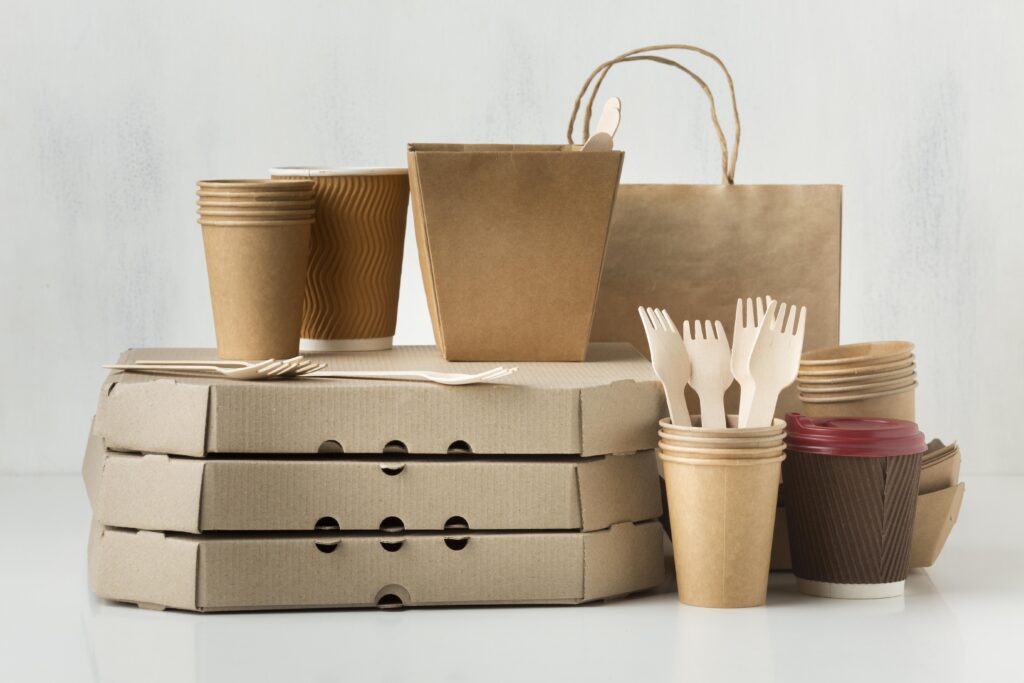
Paper cups are made mostly from paper with a thin food-grade coating to hold liquids. They’re widely used for hot drinks like coffee and tea.
PET cups (short for polyethylene terephthalate) are the clear, glossy cups you see for iced coffee, smoothies, and juices. They’re recyclable and give that premium look.
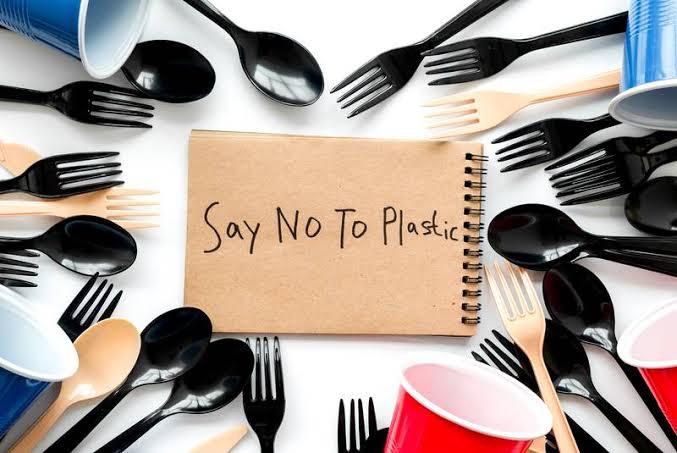
Plastic cups usually refer to polypropylene (PP) or polystyrene (PS). They’re cheaper, but often single-use and not as eco-friendly.
At first glance, all three do the same job. But when you think about health safety, recyclability, and the environment, the differences start to matter.
Are paper cups safe?
Paper cups are generally considered safe for food and beverages, but here’s the detail:
Heat resistance: Paper cups are best for hot drinks because they don’t leach chemicals when exposed to high temperatures, unlike some plastics.
Coating: The thin lining inside paper cups (usually PE or water-based coating) is food-safe, but it’s important to check if the cups you buy are certified BPA-free and meet FDA or EU food safety standards.
Eco-factor: Compared to plastic, paper feels more “natural,” but not all paper cups are fully recyclable. Compostable paper cups are the best option if you want safety + sustainability.
What about PET cups?
PET cups are actually very safe for cold drinks. They don’t contain BPA, they’re lightweight, and they’re 100% recyclable in most recycling systems. The main thing to remember: PET is not made for hot liquids. Pouring coffee or tea into a PET cup is a no-go.
And regular plastic cups?
This is where caution kicks in. Polystyrene (PS) and some low-grade plastics can leach chemicals, especially when heated. While polypropylene (PP) is safer, it’s still plastic meaning it doesn’t break down easily in the environment. From a health and eco point of view, plastic cups are the weakest link.
How to spot the right cup in the market
When buying cups for your café, restaurant, or even home use, here’s what to look for:
Material label: Make sure it clearly says paper, PET, or PP. Avoid “mystery” plastics with no info.
Certifications: FDA, EU food safety, or compostable certifications are a green flag.
Intended use: Use paper cups for hot drinks, PET cups for cold drinks, and only use plastic if cost is your only factor (not recommended for health or environment).
Eco claims: Watch out for greenwashing. If it says “eco-friendly,” check if it’s compostable, biodegradable, or recyclable.
Final takeaway
So, are paper cups safer than PET and plastic cups? The short answer is yes — especially for hot drinks. PET cups are great for cold beverages, while regular plastic cups are slowly losing favor due to health and environmental concerns.
If you want the safest choice for your customers and the planet, go for:
Compostable paper cups for hot drinks
PET recyclable cups for cold drinks
That way, you keep your drinks safe, your brand eco-friendly, and your customers happy.